+1 (541) 485-1131


Why Your Teeth Feel Strong One Day and Sensitive the Next
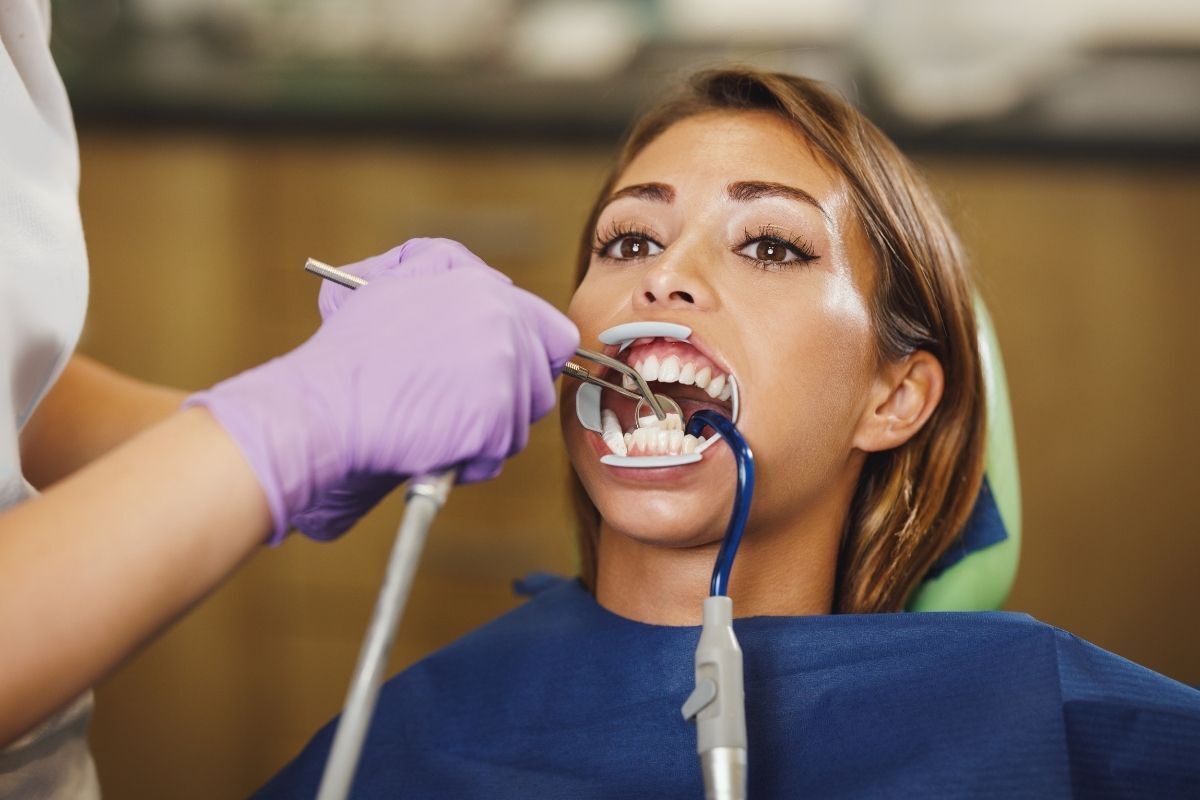
One morning your smile feels completely normal. You eat breakfast, sip your coffee, brush your teeth, and everything is fine. Then two days later, that same cup of coffee sends a sharp jolt through a single tooth, and just as fast, it’s gone again. If this sounds familiar, you’re not imagining things, and you’re not alone.
This kind of on-and-off tooth sensitivity is one of the more confusing dental symptoms patients bring up, because it doesn’t behave the way pain usually does. It’s not constant. It’s not always tied to the same food or drink. And because it disappears just as quickly as it shows up, it’s easy to brush off, until the day it doesn’t go away.
What Intermittent Tooth Sensitivity Actually Means
Intermittent tooth sensitivity is discomfort that shows up occasionally rather than all the time, usually triggered by hot, cold, sweet, or acidic foods. It happens when the protective layers covering a tooth, either enamel on the crown or cementum near the root, are temporarily thinner or exposed. This lets everyday triggers reach the nerve-rich dentin underneath, producing a quick, sharp signal that fades once the trigger is gone.
The unpredictable pattern is exactly what makes it easy to ignore. A tooth that hurts every single time you eat is impossible to overlook. A tooth that only hurts sometimes feels like it might just work itself out.
Why an On-and-Off Pattern Deserves Attention
Sensitivity that comes and goes is your mouth sending an inconsistent signal, and inconsistent signals usually mean the underlying cause is still changing. Enamel wear, gum recession, and small cracks don’t appear overnight. They develop gradually, which is exactly why the sensitivity they cause tends to be occasional at first.
Here’s the part patients don’t always expect: the tooth that feels fine most of the time is often the one where a small problem is easiest to fix.
Waiting for sensitivity to become constant before scheduling a visit usually means waiting until the problem has grown. Catching it while it’s still intermittent typically means simpler, shorter, and more comfortable treatment.
Many people delay scheduling an exam because the discomfort disappears after a few minutes. If you’ve ever wondered whether a dental visit is really necessary when nothing hurts most of the time, our guide “If My Teeth Don’t Hurt, Do I Still Need a Dentist?“ explains why many dental problems begin silently and why regular checkups can catch them before they become painful.
What Could Be Behind Sensitivity That Comes and Goes
There isn’t one single cause of intermittent tooth sensitivity. In practice, it’s usually one of a handful of familiar culprits.
- Enamel erosion thins the outer layer of a tooth through acidic foods, aggressive brushing, or naturally occurring wear over time.
- Gum recession exposes the sensitive root surface, often from brushing too hard or from gum disease that develops quietly.
- Nighttime teeth grinding (bruxism) often happens overnight, which is why many patients notice sensitivity is worse first thing in the morning.
- A small crack or fracture can cause sharp, short-lived pain when biting down, especially on one specific tooth.
- Decay that hasn’t reached the nerve yet can trigger sensitivity to sweets or temperature changes long before it causes any visible or constant pain.
Below is a quick reference for how these causes typically show up, and when they’re worth a professional look.
| Possible Cause | Typical Trigger | When It’s Time to See a Dentist |
|---|---|---|
| Thin or worn enamel | Cold drinks, ice cream, sweets | Sensitivity lasts more than 1–2 weeks |
| Gum recession | Cold air, brushing, flossing | Roots feel exposed or gums look shorter |
| Nighttime teeth grinding | Sensitivity worse in the morning | Jaw soreness or flattened teeth appear |
| Small crack or fracture | Sharp pain when chewing, then it disappears | Pain returns with pressure on one specific tooth |
| Hidden decay near the gumline | Sweet or acidic foods, comes and goes | Sensitivity is localized to one tooth over weeks |
| Did You Know? Each tooth contains thousands of microscopic channels called dentin tubules. When enamel or gum tissue wears thin, these tubules become a direct pathway to the nerve, which is why even a small amount of exposure can cause a surprisingly sharp reaction to hot, cold, or sweet triggers. |
Your mouth has its own natural defense system, and saliva plays a much bigger role than most people realize. It helps neutralize acids, wash away food particles, and support enamel remineralization. Learn more in “The Hidden Role Saliva Plays in Protecting Your Teeth Every Day“ to understand how this everyday process helps protect your smile.
How a Dental Exam Gets to the Real Cause
Because so many different issues can cause the same on-and-off pattern, guessing at home rarely solves it. A dental exam starts with mapping exactly when and where the sensitivity happens, since a single tooth reacting to cold tells a very different story than several teeth reacting to sweets.
From there, a dentist typically checks bite alignment, looks for early signs of gum recession, and uses imaging when a crack or hidden decay is suspected. Treatment is matched to the actual cause rather than the symptom, which might mean a fluoride treatment and a desensitizing agent for enamel wear, a custom night guard for grinding, or a small restorative fix for a developing crack or early decay.
Treatment Options Often Considered
- Professional fluoride varnish to strengthen enamel and calm nerve sensitivity at the source.
- Custom night guards worn nightly to protect enamel from grinding-related wear.
- Bonding or desensitizing agents used to seal exposed dentin and reduce reactivity to triggers.
- Conservative restorative dentistry recommended when decay or a crack is caught early, before it reaches the nerve.
Local Care for Eugene Patients Navigating Sensitive Teeth
At Dentistry at the Ten, Eugene patients bring in this exact concern more often than you’d think, usually describing it the same way: fine one week, uncomfortable the next, and never quite sure why. That inconsistency is treated as useful information, not a reason to wait, because it usually points to something specific and manageable.
Patients throughout Eugene and the surrounding areas often come in expecting the worst and leave with a straightforward explanation and a simple next step, whether that’s a change in brushing technique, a night guard, or a small restorative visit.
Meet Dr. Molly Vendetti, DDS
Dr. Molly Vendetti has spent her career helping Eugene patients understand what their teeth are trying to tell them, not just treat the symptom in front of her. At Dentistry at the Ten, she takes time to walk patients through what’s actually happening beneath the surface before recommending a next step. Meet Dr. Vendetti and learn more about your treatment options! Call us to book an appointment!
⭐⭐⭐⭐⭐ Leah Cates
Professional, kind and efficient!
| Not Sure Why Your Teeth Feel Different Day to Day? A short exam can identify the cause behind your sensitivity and rule out anything that needs urgent attention. Contact Us to Schedule a Consultation with Dentistry at the Ten! |
Frequently Asked Questions About Tooth Sensitivity That Comes and Goes
1. Why does my tooth sensitivity come and go instead of staying constant?
Sensitivity that comes and goes usually means the trigger itself is inconsistent, such as a cold drink, a bite of ice cream, or cold morning air. It happens when tiny channels in the dentin, called tubules, are temporarily exposed and then covered again by saliva or changes in your diet. Constant, ongoing pain is a different warning sign and may indicate a deeper issue, such as an infection.
2. Is intermittent tooth sensitivity a sign of a bigger dental problem?
It can be, but not always. Occasional sensitivity is commonly linked to enamel wear or mild gum recession. It deserves professional attention if it’s limited to one tooth, lasts longer than two weeks, or is accompanied by pain when chewing.
3. Can stress cause my teeth to feel sensitive on and off?
Yes. Stress is a common cause of nighttime teeth grinding (bruxism), which gradually wears down enamel and irritates the nerve inside the tooth. Many people notice increased sensitivity in the morning without realizing they have been grinding their teeth overnight.
4. Why are my teeth sensitive to cold but not hot, or the other way around?
Cold sensitivity often points to exposed dentin or early enamel wear because cold quickly stimulates the nerve through open dentin tubules. Heat sensitivity that lingers after the source is removed may indicate deeper nerve inflammation and should be evaluated by a dentist.
5. Does whitening toothpaste help with sensitivity that comes and goes?
Not always. Some whitening toothpastes contain abrasives or peroxide that can temporarily increase sensitivity. If your teeth are already sensitive, using a toothpaste formulated for sensitive teeth and scheduling a dental evaluation is usually a better first step.
6. How long is it normal for tooth sensitivity to last after dental work?
Mild sensitivity following a filling, professional cleaning, or teeth whitening treatment is common and typically improves within one to two weeks. If the sensitivity lasts longer, becomes more intense, or continues to worsen, contact your dentist for an evaluation.
7. Can sinus issues cause tooth sensitivity that comes and goes?
Yes. The roots of the upper back teeth sit close to the sinus cavities, so sinus pressure from allergies or a cold can create discomfort that feels like tooth sensitivity. This type of pain usually affects several upper teeth at the same time rather than a single tooth.
8. When should I stop waiting and book a dental visit for sensitive teeth?
If your tooth sensitivity lasts longer than two weeks, keeps returning, is isolated to one tooth, or is accompanied by pain when biting down, it’s time to schedule a dental exam. Identifying the cause early, whether it’s a small crack, early decay, or gum recession, often leads to simpler and more conservative treatment.