+1 (541) 485-1131


What Dentists Notice about Your Teeth in the First 10 Seconds of an Exam
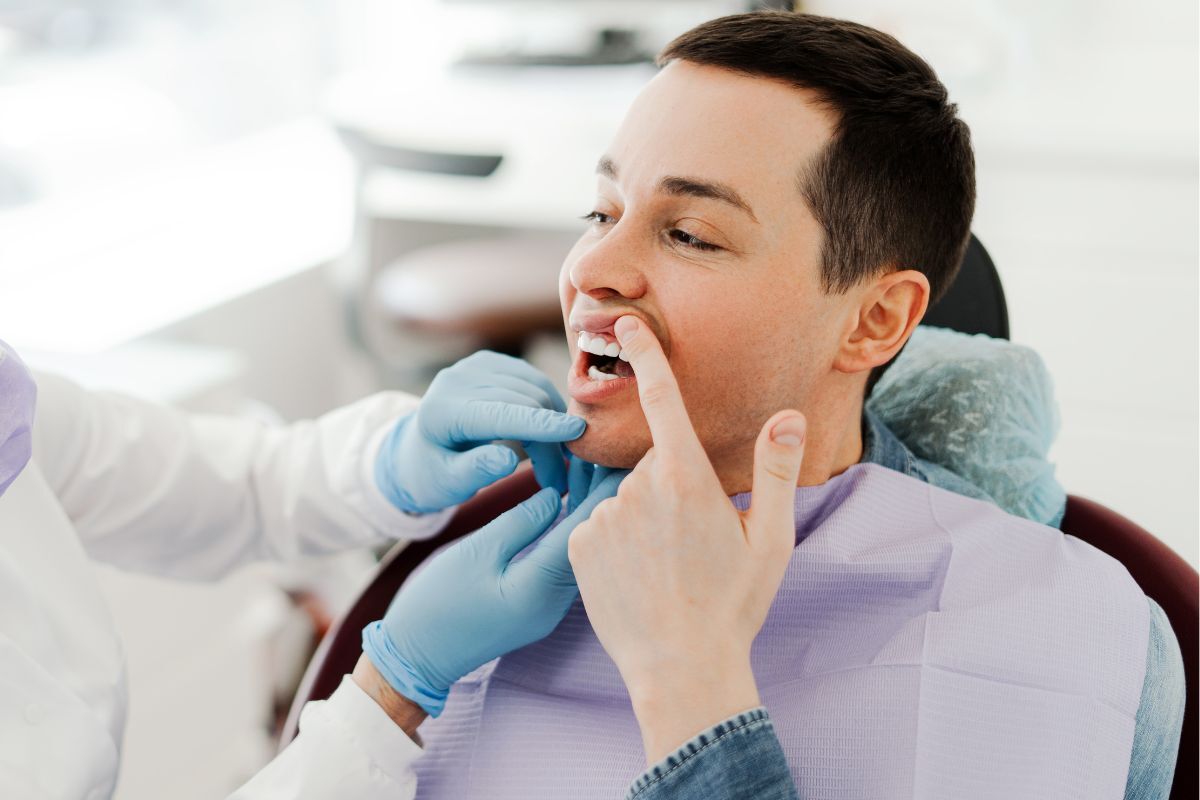
You sit back in the chair. The light swings overhead. Your dentist leans in and within seconds, before a single question is asked or a tool is even picked up, they already have a picture forming.
Most patients never think about this. They assume the exam starts when the dentist starts poking around. In reality, the assessment begins the moment your mouth opens.
What are they actually seeing? And what does it mean for your oral health and your overall health?
If you live in Eugene and you’ve been putting off a dental cleaning and exam, this might be the article that changes your mind. Not because it’s scary but because knowing what your dentist sees could genuinely save your teeth.
What Happens the Moment You Open Your Mouth
A trained dentist isn’t just looking they’re reading. Years of clinical experience mean that patterns, colors, and textures tell a story before a single X-ray is taken. During a dentist examination, those first few seconds are surprisingly information-rich.
Gum Color and Texture
Healthy gums are firm and a coral-pink color. Inflamed gums whether red, puffy, or quick to bleed can be the first visible sign of gum disease. Many people have early-stage gum disease and have no pain, no visible sores. Their dentist spots it before they ever would.
Enamel Wear and Surface Texture
Enamel erosion leaves telltale visual clues. Thinning enamel often appears more translucent at the edges of teeth. Grinding patterns show up as flat, worn biting surfaces. Acid erosion from diet or reflux leaves characteristic dishing or cratering. None of this hurts at first but it all progresses.
Tooth Color and Staining Patterns
Surface staining from coffee or tea is one thing. But specific discoloration patterns can signal internal decay, old restorations breaking down, or even signs of trauma to a tooth that the patient never noticed. The shade and location of staining matters more than most people realize.
Soft Tissue Your Cheeks, Tongue, and Palate
Dentists are trained to screen soft tissue for abnormal lesions, ulcerations, or patches that don’t belong. Oral cancer screening is a quiet but critical part of every exam. Most patients don’t know it’s happening.
Did You Know?
Gum disease has been directly linked to an increased risk of heart disease, diabetes complications, and preterm birth. Your dentist may spot the signs long before your physician does.
Your oral health often reveals much more than what’s happening inside your mouth. Changes in your gums, tongue, teeth, and soft tissues can sometimes reflect broader health concerns throughout the body. For a deeper look at these connections, read our article “What Your Mouth Might Be Telling You About Your Overall Health.“
What Your Dentist Is Reading At a Glance
| What They Check | What It Reveals | Why It Matters |
| Gum color & texture | Inflammation, early gum disease | Linked to heart & diabetes risk |
| Enamel surface | Acid erosion, grinding habits | Prevents cracking & sensitivity |
| Bite alignment | Jaw stress, uneven wear | Affects long-term tooth survival |
| Soft tissue (cheeks) | Canker sores, early oral lesions | Early cancer screening |
| Tooth color & staining | Diet habits, internal decay signals | Guides treatment planning |
| Existing restorations | Old fillings, crown integrity | Prevents restoration failure |
Why These First Observations Matter So Much
Dental disease is almost always silent in its early stages. Tooth decay doesn’t hurt until it’s deep. Gum disease doesn’t bleed until inflammation is already established. Enamel loss doesn’t ache until exposure hits the dentin beneath.
This is exactly why skipping a dental cleaning and exam isn’t a neutral choice. What a dentist catches early is almost always cheaper, faster, and less invasive to treat than what gets caught late.
The Silent Problems You’d Never Feel
- Early gum disease (gingivitis)– no pain, fully reversible with treatment
- Enamel erosion- painless until dentin exposure causes sensitivity
- Cracked teeth– often invisible to patients until a piece breaks
- Oral lesions– no discomfort in early stages, critical to catch early
- Old filling breakdown– the seal fails before symptoms appear
What Patients in Eugene Are Saying
★★★★★ Jenn G | Google Review
I love the way my teeth feel after a cleaning! Effective cleaning with excellent care! I enjoy the whole team.
Molly is by far the best Dentist I’ve ever had and her associates are top notch! Not just in the quality of work but in the extra touches to create comfortable experience. I would recommend them to anyone.
★★★★★ Margaret Moore | Google Review
I think of my dental experience at Dr Molly’s as a spa visit. A beautiful smile is your best investment for your health.
Consistent, positive experiences are one of the strongest indicators of quality dental care. Whether patients are visiting for a routine cleaning, preventive exam, restorative treatment, or emergency dental care, our goal is to make every visit comfortable, informative, and stress-free. See what other Eugene patients are saying by reading our Google reviews.
Meet Your Eugene Dentist

Meet Dr. Molly- Dentist at Dentistry at the Ten
The dental team at Dentistry at the Ten has been caring for Eugene families for years, blending gentle technique with thorough, attentive exams. They believe every patient deserves to understand exactly what’s happening in their own mouth because informed patients make confident decisions. Schedule a consultation with our team!
The Real Risk of Skipping Your Dental Exam
Postponing your dentist examination isn’t just about teeth. Here’s what builds silently in the background when exams are skipped:
Gum Disease Progression
Unchecked gingivitis advances into periodontitis a deeper infection that damages the bone supporting your teeth. At that stage, treatment is no longer a simple cleaning. It involves deep scaling, possible antibiotics, and ongoing monitoring.
Cavities That Reach the Nerve
A cavity caught at 2mm needs a filling. That same cavity found at 8mm after two skipped years may need a root canal, a dental crown, or extraction. The biology doesn’t pause because you’re busy.
Oral Cancer A Missed Window
The five-year survival rate for oral cancer caught early is dramatically higher than cases caught late. Most early-stage lesions have no symptoms. Your dentist’s soft tissue check is not a formality it’s a legitimate screening.
What a Complete Dental Cleaning and Exam Actually Includes
A modern dental exam is far more comprehensive than most patients expect. Here’s what typically happens during a thorough dentist examination:
- Visual soft tissue and oral cancer screening
- Gum health assessment – probing depths, recession, and inflammation
- Full tooth-by-tooth cavity check with explorer and visual aids
- Bite and jaw alignment assessment
- Review of existing dental restorations – fillings, crowns, bridges
- Digital X-rays (frequency based on your individual risk)
- Professional cleaning to remove buildup below the gumline
- Personalized oral hygiene recommendations
At Dentistry at the Ten in Eugene, this process is thorough without feeling rushed. The team takes time to explain what they’re finding and what it means for you because nobody should leave their appointment more confused than when they arrived.
Dental Care in Eugene – Why Local Matters
Choosing a local Eugene dentist isn’t just about convenience. It’s about building a relationship with a team that knows your dental history, your risk factors, and your goals. Continuity of care changes outcomes.
At Dentistry at the Ten, patients across Eugene from the Whiteaker neighborhood to South Eugene have access to comprehensive exams, preventive care, and restorative services all in one place. No referrals bouncing you around town for routine care.
Finding the right dental office involves more than comparing locations or appointment availability. Experience, communication style, preventive philosophy, and long-term patient relationships all play an important role. If you’re evaluating your options, our article “What Most People Overlook Before Choosing a Dentist” highlights several factors patients often miss.
Your Teeth Are Telling a Story. Ready to Hear It?
Don’t wait for pain to prompt your next visit. Book a dental cleaning and exam at Dentistry at the Ten in Eugene today and let your dentist show you exactly what they see. Call us to schedule your appointment!
Frequently Asked Questions
What does a dentist check during a routine examination?
A routine dentist examination covers your gums, teeth, bite alignment, soft tissue (cheeks, tongue, palate), existing restorations, and often includes digital X-rays. The dentist is looking for decay, gum disease, oral lesions, wear patterns, and early signs of structural problems.
How often should I get a dental cleaning and exam?
For most people, every six months is the standard recommendation. However, your dentist may recommend every three or four months if you have a history of gum disease, higher cavity risk, or other specific concerns. The schedule should be personalized to your oral health needs.
Can a dentist tell if you’ve been grinding your teeth?
Yes. Teeth grinding (bruxism) leaves very specific wear patterns on the biting surfaces of your teeth. Your dentist can often identify it within the first visual assessment of your dentist examination, even if you’ve had no symptoms or don’t grind while awake.
Is a dental exam the same as a teeth cleaning?
They’re related but distinct. A dental cleaning removes plaque and tartar buildup. An exam is the diagnostic assessment checking for decay, gum health, soft tissue, and structural issues. Most practices combine both at the same appointment, which is why it’s called a dental cleaning and exam.
Can dentists detect oral cancer during a routine exam?
Yes, soft tissue screening for abnormal lesions is a standard part of a comprehensive dentist examination. Your dentist checks the inside of your cheeks, your tongue, the floor of your mouth, and your palate. Early detection significantly improves treatment outcomes.
How long does a dental cleaning and exam take?
A standard appointment for both cleaning and exam typically takes between 45 minutes and one hour. If it’s your first visit or X-rays are needed, expect slightly longer. Complex cases or deep cleaning appointments are scheduled accordingly.
What should I do if I’m nervous about my dental exam?
Dental anxiety is genuinely common and nothing to be embarrassed about. Let the front desk or hygienist know before your appointment. Many practices in Eugene, including Dentistry at the Ten, are experienced with anxious patients and can adjust pacing, use distraction techniques, or discuss comfort options to make your visit manageable.