+1 (541) 485-1131


What Are the Signs You Need a Dental Crown? 9 Warning Signals to Watch For
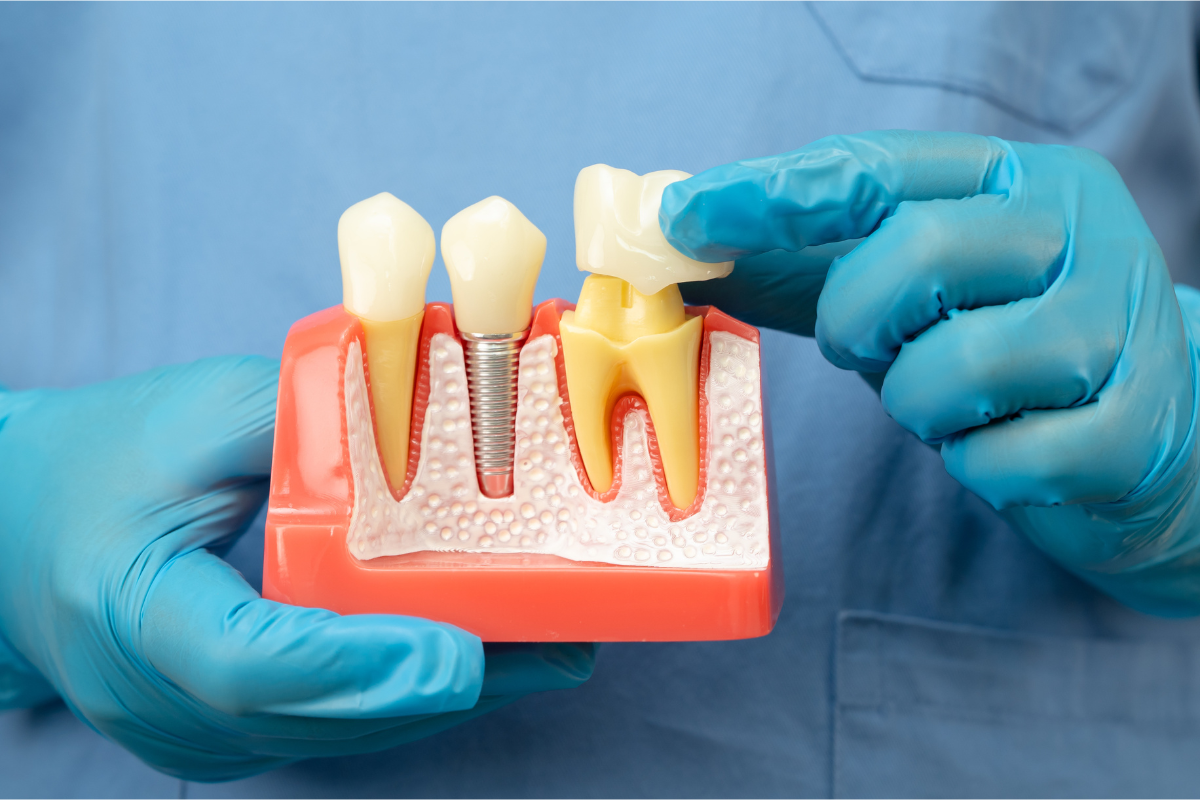
Signs you need a dental crown include persistent tooth pain, visible cracks, large fillings, weakened or worn teeth, and sensitivity when biting or chewing. A dental crown is a custom-made cap placed over a damaged tooth to restore its strength, shape, and function while protecting it from further damage.
What Is a Dental Crown?
A dental crown is a tooth-shaped “cap” that covers a damaged or weakened tooth. It restores the tooth’s structure, improves appearance, and protects it from further breakage or decay.
Crowns are commonly used when a tooth cannot be repaired with a simple filling but does not need extraction.
Why Would You Need a Dental Crown?
A dental crown is recommended when a tooth has lost significant strength or structure. Common causes include:
- Advanced decay
- Cracks or fractures
- Large, failing fillings
- Root canal treatment
- Severe wear from grinding
Without a crown, the tooth may continue to weaken and eventually require removal.
9 Signs You Need a Dental Crown
1. Persistent Tooth Pain When Chewing
Pain while biting down may indicate internal damage or a crack. This is one of the most common tooth damage symptoms that signals the need for protection.
2. A Cracked or Fractured Tooth
Visible cracks or fractures weaken the tooth structure. Cracked tooth treatment often involves placing a crown to prevent the crack from spreading.
3. Large or Failing Fillings
If a filling takes up most of your tooth, the remaining structure can become fragile. A crown provides full coverage and support.
4. Severe Tooth Sensitivity
Sensitivity to hot, cold, or pressure may mean enamel loss or nerve exposure both signs your tooth needs reinforcement.
5. Worn-Down Teeth
Teeth worn from grinding (bruxism) or acid erosion lose height and strength. Crowns restore proper shape and function.
6. After a Root Canal
Teeth treated with root canals become brittle over time. A crown helps prevent fractures and extends the life of the tooth.
7. Discolored or Misshapen Tooth
If a tooth is severely stained or irregularly shaped, a crown can improve both aesthetics and function.
8. Gum Irritation Around One Tooth
Inflammation around a single tooth may indicate underlying structural issues or damage beneath the surface.
9. A Tooth That Feels Weak or Unstable
If a tooth feels like it might break or shift under pressure, it likely lacks structural integrity and needs reinforcement.
When Is a Dental Crown Required?
A crown is typically required when:
- More than 50% of the tooth structure is compromised
- A crack threatens the tooth’s survival
- A tooth has undergone major restorative treatment
- There is risk of further fracture
In many cases, early intervention with a crown prevents more complex procedures later.
What Happens During the Dental Crown Procedure?
Step-by-Step Overview
- Examination & X-rays – Assess the extent of damage
- Tooth Preparation – Remove decay and shape the tooth
- Impressions – Create a custom-fit crown
- Temporary Crown – Protect the tooth while the final crown is made
- Permanent Placement – Cement the crown securely
Most procedures take two visits, though some clinics offer same-day crowns.
Benefits of Dental Crowns
- Restores chewing ability
- Protects weakened teeth
- Improves appearance
- Prevents further damage
Long-lasting solution (often 10–15 years or more with care)
Are There Any Risks?
Dental crowns are generally safe, but potential risks include:
- Temporary sensitivity
- Crown loosening or wear over time
- Rare allergic reactions to materials
- Need for replacement after years of use
Proper care significantly reduces these risks.
How to Care for a Dental Crown
To extend the life of your crown:
- Brush twice daily with fluoride toothpaste
- Floss around the crown carefully
- Avoid chewing hard objects (ice, pens)
- Wear a nightguard if you grind your teeth
- Visit your dentist regularly for checkups
Local Insight: Dental Care in Eugene, OR
Residents in Eugene, OR often deal with tooth wear from lifestyle habits like coffee consumption and teeth grinding. Local dental providers commonly recommend crowns as a long-term solution for protecting compromised teeth while maintaining natural appearance.
If you notice early signs you need a dental crown, scheduling an evaluation with a local dentist can help prevent further complications. Don’t wait until the damage worsens call now to book your appointment and protect your smile.
When Should You See a Dentist?
You should seek a dental evaluation if you experience:
- Ongoing tooth pain
- Visible cracks or chips
- Sudden sensitivity
- Difficulty chewing
Early diagnosis can help preserve your natural tooth and reduce the need for more extensive treatment.
FAQs About Dental Crowns
How do I know if I need a crown or a filling?
If the damage is minor, a filling may be enough. However, large or deep damage usually requires a crown for full protection.
Is getting a dental crown painful?
The procedure is typically done under local anesthesia, so discomfort is minimal. Mild soreness may occur afterward.
How long does a dental crown last?
Most crowns last between 10–15 years, depending on oral hygiene and habits.
Can a cracked tooth heal without a crown?
No, cracks do not heal naturally. Cracked tooth treatment often requires a crown to prevent worsening.
Can crowns fall off?
Yes, but it’s uncommon. If it happens, your dentist can usually reattach or replace it.
Are dental crowns noticeable?
Modern crowns are designed to match your natural teeth, making them virtually unnoticeable.
How soon should I get a crown after symptoms appear?
It’s best to act early. Delaying treatment can lead to more severe damage or tooth loss.
Final Thoughts
Recognizing the early signs you need a dental crown can help you protect your smile and avoid more complex dental procedures. Crowns are a reliable way to restore damaged teeth and maintain long-term oral health.
If you’re experiencing any of these symptoms, consider visiting a dental professional for a thorough evaluation. Early care can make a significant difference in preserving your natural teeth. Schedule an appointment today to get a personalized treatment plan and keep your smile healthy and strong.