+1 (541) 485-1131


How Long Do Dental Crowns and Bridges Really Last?
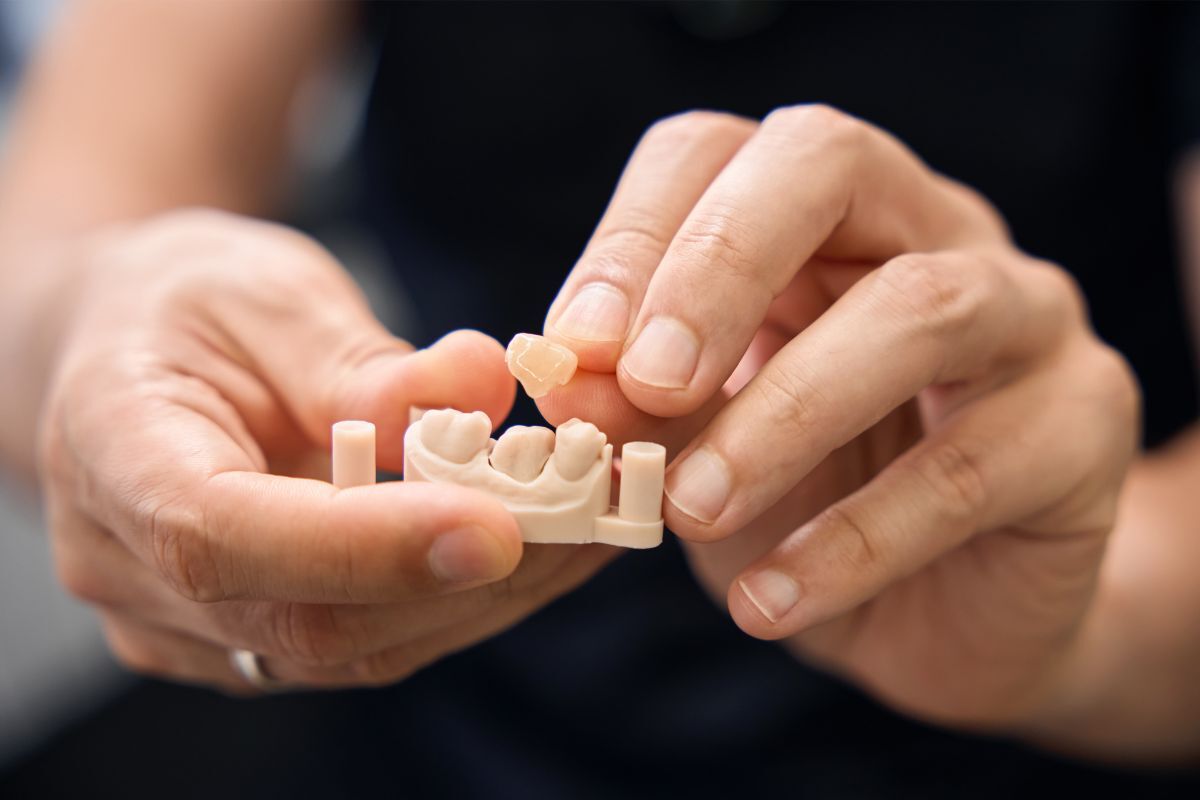
If you’ve ever invested in a dental crown or bridge, you’ve probably wondered: “How long is this going to last me?” Maybe you’re biting into something and feeling a slight shift… or you’re just trying to avoid another costly dental visit anytime soon.
Here’s the reassuring truth: most restorations are designed to last for years but their lifespan depends heavily on how you care for them and what’s happening beneath the surface.
Let’s break down the real dental crown lifespan, what affects it, and how to make sure yours lasts as long as possible.
The Real Problem: Why Some Crowns and Bridges Fail Early
Dental crowns and bridges are built to restore function, protect teeth, and improve your smile. But they’re not indestructible.
Many patients assume once they’re placed, the job is done. In reality, several hidden factors can shorten their life:
- Grinding or clenching (often during sleep)
- Poor oral hygiene leading to decay under the crown
- Gum recession exposing margins
- Bite misalignment or uneven pressure
- Using teeth as tools (opening packages, chewing ice)
This is where restorative dental durability becomes more than just materials it’s about long-term care.
Why It Matters: More Than Just Longevity
When a crown or bridge fails, it’s not just an inconvenience, it can lead to:
- Tooth damage or infection
- Costly replacements
- Changes in bite and jaw discomfort
- Aesthetic concerns (especially for front teeth)
Understanding your restoration’s expected lifespan helps you plan smarter and avoid unexpected dental emergencies.
So, What Is the Average Dental Crown Lifespan?
Most dental crowns last 10 to 15 years, but many can go well beyond that with proper care.
Typical Lifespan by Material:
- Porcelain crowns: 10–15 years
- Porcelain-fused-to-metal: 10–20 years
- Gold or metal crowns: 15–30+ years
- Zirconia crowns: often 15+ years
The key takeaway? Material matters but habits matter more.
How Long Do Dental Bridges Usually Last?
When it comes to bridge lifespan, most last between 5 to 15 years.
Bridges rely on surrounding teeth for support, which means:
- If supporting teeth weaken → the bridge may fail
- If hygiene is poor → decay can develop underneath
- If bite pressure is uneven → structural stress increases
This is why bridges require extra attention when flossing and cleaning.
What Shortens the Lifespan of Crowns and Bridges?
Even high-quality restorations can fail early if certain risks aren’t managed.
Common Risk Factors:
- Teeth grinding (bruxism)
- Gum disease
- Poor brushing/flossing habits
- Smoking or tobacco use
- Skipping regular dental checkups
In areas like Eugene, where lifestyle and diet can vary, these factors play a significant role in how long your restoration lasts.
Warning Signs Your Crown or Bridge May Be Failing
Don’t wait for a major issue. Watch for these early signs:
- Sensitivity to hot or cold
- Pain when biting
- Visible cracks or chips
- Loose feeling or movement
- Gum irritation around the restoration
Catching these early can save the underlying tooth and your wallet.
How to Make Your Dental Work Last Longer
Here’s where you gain control.
Simple Habits That Extend Lifespan:
- Brush twice daily with fluoride toothpaste
- Floss carefully around crowns and under bridges
- Use a nightguard if you grind your teeth
- Avoid chewing hard objects (ice, pens)
- Visit your dentist regularly for exams and cleanings
Think of your crown or bridge like a car, it performs best with maintenance.
Professional Care Makes the Biggest Difference
Even with great home care, professional monitoring is essential.
At Dentistry at the Ten, patients receive ongoing evaluations to ensure restorations remain stable, functional, and healthy over time. Regular checkups allow early detection of:
- Margin leakage
- Hidden decay
- Bite issues
- Gum health changes
This proactive approach dramatically improves restorative dental durability.
When Should You Replace a Crown or Bridge?
There’s no fixed expiration date but replacement is typically needed if:
- There’s decay beneath the restoration
- The crown or bridge becomes loose
- Structural damage occurs
- Gum recession affects the fit
Waiting too long can lead to more complex treatments like root canals or extractions.
Ready to Protect Your Smile for the Long Run?
If you’re unsure about the condition of your crown or bridge, it’s better to check early than wait for discomfort.
Call Dentistry at the Ten today to get clarity on your restoration’s health and avoid future complications.
Or schedule your appointment online for a personalized evaluation and long-term care plan tailored to your smile.
FAQs About Dental Crown and Bridge Lifespan
Can a dental crown last a lifetime?
It’s possible, but uncommon. With excellent care and no underlying issues, some crowns can last 20–30 years or more.
What happens if a crown wears out?
It may loosen, crack, or allow bacteria underneath. Replacement is usually needed to protect the tooth.
Is a bridge more fragile than a crown?
Bridges are more dependent on surrounding teeth, so they may require more maintenance and attention.
Does insurance cover replacement?
Many plans cover replacement after a certain number of years, often 5–10, depending on the policy.
Are newer materials more durable?
Yes—modern materials like zirconia offer improved strength and longevity compared to older options.
How often should crowns and bridges be checked?
At least every 6 months during routine dental visits, or sooner if you notice symptoms.
Can teeth decay under a crown?
Yes, especially if oral hygiene is poor or the seal weakens over time.
Should I floss around a bridge?
Absolutely. Special floss or interdental brushes help clean underneath and prevent issues.
Final Thoughts
Dental crowns and bridges are long-term investments but not permanent ones. Their lifespan depends on care, lifestyle, and professional monitoring.
If you stay proactive, you can extend their life significantly and avoid unnecessary complications.
Don’t wait for discomfort to take action. Call Dentistry at the Ten or book your visit today to protect your smile for years to come.