+1 (541) 485-1131


Can a Cracked Tooth Be Saved? What Every Eugene Patient Should Know Before It’s Too Late
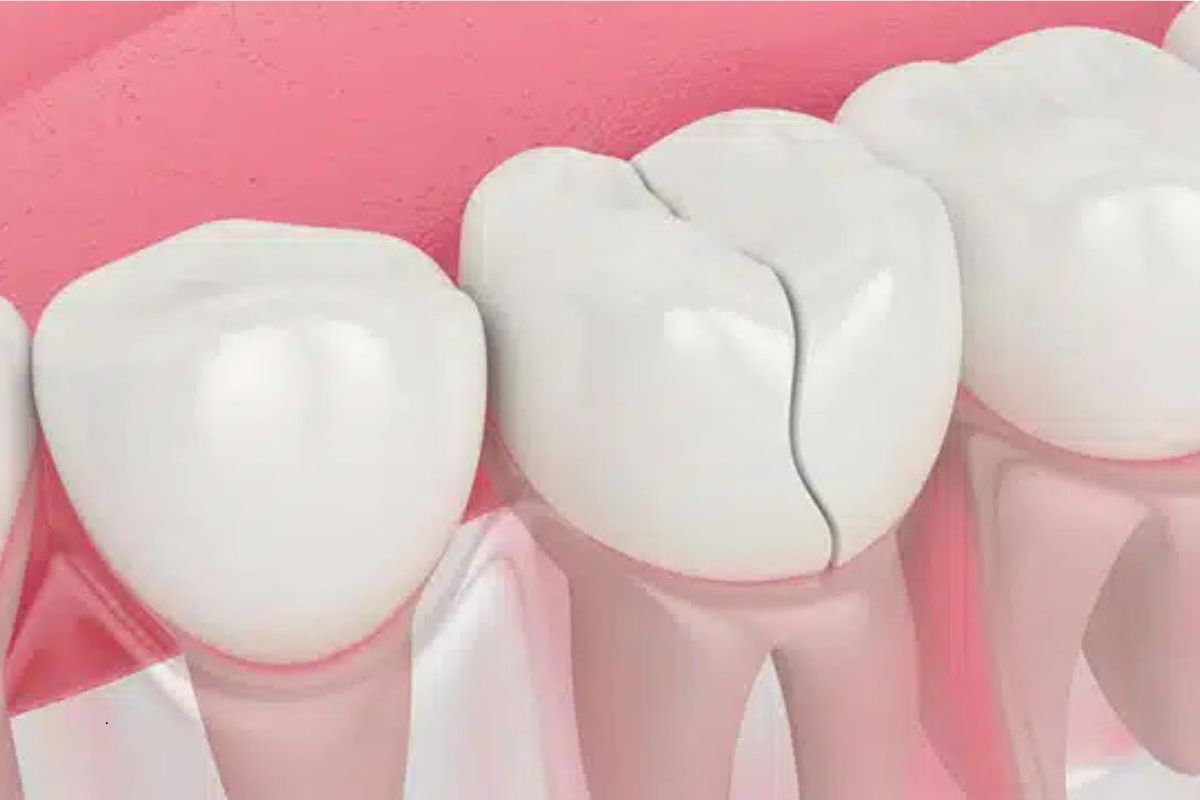
One bite. That’s usually all it takes. You crunch down on a piece of ice, an unpopped popcorn kernel, or a hard piece of candy, and there it is a sharp jolt, followed by that sinking feeling as your tongue finds a rough edge where a smooth tooth used to be. If you’re reading this because you’re standing in front of a mirror right now, wondering whether a cracked tooth can actually be saved, you’re not alone. It’s one of the most common dental worries patients bring up here in Eugene, and the answer is more hopeful than most people expect.
Here’s the short version: most cracked teeth can be saved when they’re caught early and treated properly. What determines the outcome isn’t luck, it’s how quickly you act, and how deep the crack actually runs. This guide walks through what’s happening inside a cracked tooth, why waiting is riskier than it feels, and what treatment for a cracked tooth actually looks like.
What Counts as a “Cracked Tooth,” Exactly?
A cracked tooth is a fracture in the enamel or underlying dentin that can range from a shallow surface line to a deep split extending toward the root. Some cracks are painless and purely cosmetic. Others expose the nerve and need urgent care. The size, depth, and direction of the crack is what decides whether that tooth can be saved.
Common Causes of a Cracked Tooth
- Chewing on hard foods or ice — cracked teeth are among the most frequent reasons patients come in for an unplanned visit, and ice is usually the culprit.
- Teeth grinding and clenching (bruxism) — repetitive nighttime pressure gradually weakens enamel from the inside out, often without the person realizing they grind.
- Large, older fillings — a heavily filled tooth has less of its original structure left to hold it together under normal biting force.
- A blow to the face or a sports injury — a fall, a sports collision, or a hard knock to the jaw can crack a tooth in an instant.
- Sudden temperature changes — biting into something hot and then rinsing with ice water puts sudden stress on enamel that it isn’t built to absorb.
- Natural wear with age — enamel naturally thins with decades of chewing, making older teeth more prone to cracking under everyday pressure.
Why It Matters: The Nerve Inside Your Tooth Doesn’t Wait
Underneath the enamel and dentin sits the pulp, a bundle of nerves and blood vessels that keeps the tooth alive. A crack acts like a doorway. Every time you bite down, the crack flexes open just slightly, letting in bacteria, temperature changes, and pressure the nerve was never meant to feel directly. That’s why a crack that seems minor on day one can turn into a nerve infection within weeks.
| Did You Know? Cracked Tooth Syndrome often causes pain only when you release a bite, not while you’re chewing. That specific pattern is one of the clearest signs dentists look for, because it means the crack is opening and closing directly against the nerve with every bite. |
The Risks of Waiting to Treat a Cracked Tooth
It’s tempting to “wait and see,” especially if the pain comes and goes. But a cracked tooth rarely stays the same size. Left alone, here’s what tends to happen:
- Infection and abscess — bacteria travel down through the crack toward the nerve, sometimes without warning pain until swelling starts.
- Nerve damage — the pulp becomes inflamed and eventually dies, which is what turns a simple crown case into a root canal case.
- Progression to a split tooth — continued chewing pressure can widen a stable crack into a split tooth, where the two halves separate.
- Bone loss around the root — an untreated infection can erode the bone around the root, which affects bite alignment and nearby teeth over time.
- Higher cost and complexity later — a crack treated early with a crown often costs far less, in time and treatment steps, than one that later needs extraction and replacement.
Preventing Expensive Dental Problems Starts with One Simple Habit
Small daily habits and routine dental visits can help catch cracks early, reducing the chance of needing root canals, extractions, or tooth replacement. Read: The One Dental Habit That Could Save You Thousands
Can a Cracked Tooth Be Saved? Here’s What Determines the Answer
This is the question most people are really asking, and the honest answer is: it depends on the type of crack. Dentists generally group cracks into five categories, and each one has a very different outlook and treatment path.
| Crack Type | What It Feels Like | Typical Treatment | Can It Be Saved? |
|---|---|---|---|
| Craze Lines | No pain, surface lines only | Usually none; cosmetic bonding if desired | Yes — always |
| Fractured Cusp | Mild sensitivity, nerve untouched | Dental crown | Yes — very good outlook |
| Cracked Tooth (extends toward root) | Sharp pain on biting down that releases | Root canal + crown | Yes, if treated early |
| Split Tooth | Pain, looseness, visible separation | Often extraction; sometimes partial restoration | Sometimes — case by case |
| Vertical Root Fracture | Minimal pain until infection sets in | Usually extraction | Rarely |
Dental Crown for a Cracked Tooth
When a crack is limited to the outer structure and hasn’t reached the nerve, a dental crown is often enough. The crown caps the tooth completely, holding the cracked pieces together under an even layer of pressure so the crack can’t spread further. This is one of the most predictable, well-established ways a cracked tooth gets saved.
When a Cracked Tooth Needs a Root Canal
If the crack has reached the pulp usually signaled by sharp pain on biting, lingering sensitivity, or spontaneous throbbing, a root canal removes the compromised nerve tissue before it can become infected. A crown almost always follows to protect and restore the tooth long-term. Together, this combination is what saves the vast majority of cracked teeth that reach a dentist in time.
Cracked Tooth vs. Broken Tooth — What’s the Difference?
A cracked tooth still has all its original structure in place; the fracture line runs through the tooth, but nothing has come loose. A broken tooth means a visible piece, a cusp, an edge, or a larger chunk has actually chipped away. Both can affect the nerve, but a broken tooth is usually obvious at a glance, while a crack can hide in plain sight until an exam catches it.
Trusted Cracked Tooth Care, Close to Home in Eugene
At Dentistry at the Ten, cracked teeth are treated as a same-week priority rather than a routine cleaning add-on, because the timeline genuinely changes what can be saved. Patients across Eugene come in describing that same sharp “bite and release” pain, and the first step is always the same: an exam and imaging to see exactly how deep the crack runs before recommending a crown, a root canal, or, in rarer cases, extraction and replacement. This kind of restorative work sits alongside the practice’s broader dental fillings, crowns & bridge services, so patients who need a crack repaired today have a clear next step if a filling or bridge is also part of the picture.
⭐⭐⭐⭐⭐ Genalin West
Lovely place and great service!
Meet Dr. Molly Vendetti, DDS

Dr. Vendetti and the team at Dentistry at the Ten treat cracked teeth as a same-week priority, not a wait-and-see problem — because the timeline genuinely changes what can be saved. Call us to schedule a consultation with Dr. Vendetti to find out whether your tooth can be treated with a crown or a root canal before it needs anything more invasive.
| Notice a Sharp Pain When You Bite Down? That specific pattern is one of the clearest signs of a cracked tooth — and the sooner it’s checked, the more likely a crown or root canal can save it instead of an extraction. Contact Us to Schedule Your Exam at Dentistry at the Ten! |
What to Do Right Now If You Suspect a Cracked Tooth
- Avoid the affected side — stop biting directly on that spot and chew on the opposite side until you’re seen.
- Skip hard or extreme-temperature foods — crunchy, sticky, or very hot and cold items put extra stress on an already-weakened tooth.
- Rinse with warm salt water if it helps — a warm rinse can ease mild discomfort, but it doesn’t treat the crack itself.
- Track your pain pattern — an over-the-counter pain reliever can manage discomfort, but new or worsening pain means the crack is likely progressing.
- Book an exam as soon as possible — the biggest single factor in whether a cracked tooth can be saved is how soon it’s evaluated.
Think Everything Is Fine Because It Doesn’t Hurt?
Many cracked teeth cause little or no pain until the damage becomes severe. Learn why regular dental exams can catch hidden problems before they turn into emergencies. Read: If My Teeth Don’t Hurt, Do I Still Need a Dentist?
Frequently Asked Questions
1. Can a cracked tooth heal on its own?
No. Enamel and dentin do not regenerate like skin or bone. While the discomfort may come and go, the crack itself will not heal and can worsen over time with normal chewing. Early treatment is the best way to protect the tooth.
2. What does a cracked tooth feel like when you first notice it?
The most common symptom is a sharp, brief pain when you bite down and release. You may also notice occasional sensitivity to hot or cold foods and drinks. Some cracks cause little to no discomfort until they are detected during a dental exam.
3. How do I know if my cracked tooth needs a root canal?
If the crack reaches the tooth’s pulp, you may experience sharp pain when biting, lingering sensitivity, or spontaneous throbbing. A dental examination with X-rays and bite testing is the only reliable way to determine whether a root canal is necessary.
4. What’s the difference between a cracked tooth and a broken tooth?
A cracked tooth has a fracture running through it while the entire tooth structure remains intact. A broken tooth has a visible piece that has chipped or broken away. Although both conditions can affect the tooth’s nerve, a broken tooth is usually easier to identify without a dental examination.
5. What factors affect the cost of treating a cracked tooth?
Treatment costs depend on the severity of the crack and the type of care required. A shallow crack may only need a dental crown, while a deeper crack may require both a root canal and a crown. Treating the problem early is often less costly than waiting until the damage becomes more extensive.
6. Can I still eat with a cracked tooth while I wait for treatment?
Yes, but you should be cautious. Chew on the opposite side of your mouth, avoid hard, sticky, and extremely hot or cold foods, and monitor for increasing pain. If your symptoms worsen, contact your dentist as soon as possible.
7. Will a cracked tooth get worse if I ignore it?
In most cases, yes. Everyday chewing forces can cause the crack to spread, increasing the risk of nerve damage, infection, or even a split tooth. Prompt treatment greatly improves the chances of saving the tooth.
8. What happens if a cracked tooth can’t be saved?
If the crack extends too far into the root or the tooth has completely split, extraction may be the only option. Your dentist can then discuss replacement options, such as a dental implant or bridge, to restore your smile and bite.