+1 (541) 485-1131


You Skipped One Dental Checkup – Here’s What Could Be Happening in Your Mouth Right Now
You told yourself you’d reschedule. Then life got busy, nothing hurt, and six months quietly turned into a year. If that sounds familiar, you’re not careless – you’re human. Most people who end up skipping a dental checkup do it for the same reason: nothing feels wrong.
Here’s the uncomfortable part. Some of the most damaging problems in your mouth don’t announce themselves until they’ve already done real damage. If you’ve been meaning to schedule an appointment with a dentist in Eugene but keep putting it off, this is worth five minutes before you delay your visit to Dentistry at the Ten again.
“I Feel Fine” — The Thought That Costs People the Most
It’s one of the most common things we hear: “Nothing hurts, so I figured I was fine.” It makes sense on the surface. Pain feels like the obvious warning sign. But tooth decay and gum disease are patient – they can develop for months without a single symptom you’d notice on your own.
By the time discomfort shows up, a small, easily treated issue has often had time to become something bigger. That’s the real problem with skipping a dental checkup: it’s not one missed appointment, it’s the silent window that opens up behind it.
Many people assume a dental visit can wait until something hurts, but that’s one of the biggest misconceptions about oral health. If you’ve ever wondered whether a painless smile really means a healthy one, read our guide on “If My Teeth Don’t Hurt, Do I Still Need a Dentist?“ to learn why regular dental exams are still essential.
Why Regular Dental Visits Matter More Than You’d Think
Routine dental exams aren’t just about a fresh, polished smile appearance. They’re a chance for a trained eye to check what you physically can’t: the health of your gums, the strength of your enamel, early shifts in bite alignment, and the tight spaces between teeth where problems like to hide.
| Did You Know? Gum disease is one of the most common and most painless – dental issues in its early stages. Studies suggest nearly half of adults over 30 show some signs of it, often without realizing anything is wrong. |
What You Can’t See Could Cost You More
Skipping preventive dental care doesn’t mean nothing is happening, it just means no one’s watching. Here’s a side-by-side look at what tends to happen with regular visits compared to what can happen when checkups get pushed off:
| Aspect | With Regular Checkups | When Checkups Are Skipped |
|---|---|---|
| Cavity Detection | Caught while small, often before pain starts | Often found only after decay reaches the nerve |
| Gum Disease | Identified and managed in early, reversible stages | Can progress silently to bone and tissue loss |
| Treatment Cost | Simple, lower-cost preventive care | More complex, more expensive restorative work |
| Enamel & Tooth Structure | Monitored and protected with cleanings | Gradual erosion and weakening go unnoticed |
| Bite Alignment | Reviewed for early shifts or wear patterns | Misalignment can worsen, affecting jaw comfort |
| Confidence in Your Smile | Smile appearance stays bright and healthy | Stains, wear, and damage build up over time |
What Actually Happens During a Routine Dental Checkup
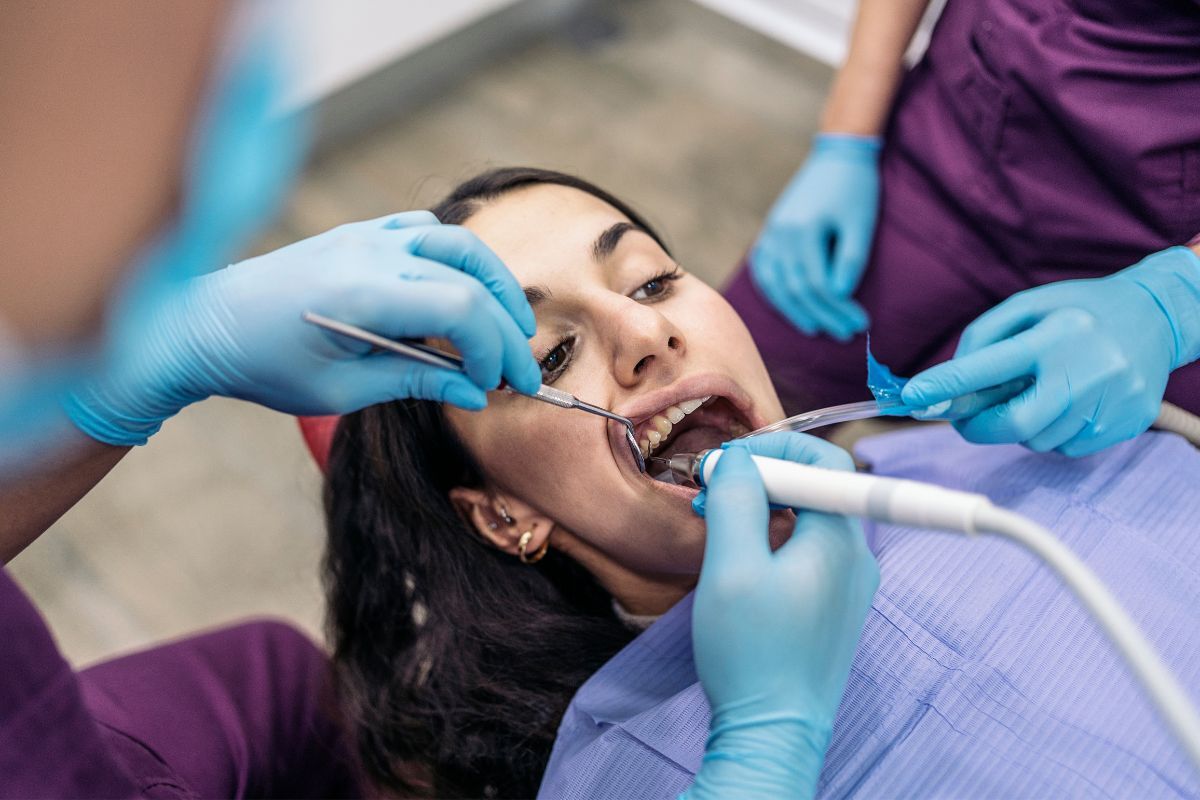
A dental exam and cleaning at Dentistry at the Ten is straightforward and far less intimidating than people expect. Your visit typically includes a full visual exam, a professional teeth cleaning to clear away plaque and tartar buildup, a gum health assessment, and X-rays when needed to see what’s happening beneath the surface, including the earliest stages of tooth decay or bone changes tied to gum disease.
It’s also a chance to flag smaller concerns like early enamel wear, a shifting bite, or restorative dentistry needs while they’re still simple to manage, instead of after they’ve grown into something more involved.
Meet Your Dentist

At Dentistry at the Ten, Dr. Molly Vendetti focuses on making preventive care feel approachable — not intimidating. Her approach centers on clear explanations and unhurried appointments, so patients understand exactly what’s happening with their oral health and why it matters.
Meet Dr. Vendetti and learn more about your treatment options — see what patients are saying on Google reviews.
Caring for Eugene Smiles, One Checkup at a Time
Dentistry at the Ten has built its practice around the neighborhoods it serves throughout Eugene, Oregon. Preventive care is at the center of that approach because catching a small issue early is always simpler than treating a big one later. Whether it’s been six months or a couple of years since your last visit, our team focuses on making it easy to get back on a healthy routine, with clear communication every step of the way.
Signs You Shouldn’t Wait to Schedule
- Tender or bleeding gums: even mild bleeding during brushing can be an early sign of gum disease.
- A tooth that feels different: new sensitivity to hot, cold, or sweets is worth having checked.
- Visible staining or discoloration: changes in smile appearance can point to enamel wear or decay.
- A bite that feels “off”: shifts in bite alignment are easier to manage the earlier they’re caught.
- It’s simply been over six months: the biggest sign is often just time, routine dental exams work best on a consistent schedule.
Your teeth and gums can reveal more than cavities or gum disease. Changes in your oral health may also reflect what’s happening elsewhere in your body. Explore “What Your Mouth Might Be Telling You About Your Overall Health“ to discover why routine dental checkups are an important part of protecting your overall well-being.
Continue Exploring Your Oral Health
If you’re curious about what a checkup might reveal for your specific situation, it may help to explore our related services, including general dentistry, preventive care, restorative dentistry, and cosmetic dentistry, to see how each supports a healthier, more confident smile.
| Ready to Stop Wondering and Start Knowing? Booking your next dental checkup takes less time than deciding whether to put it off again. Our Eugene team is ready to help you get back on track. Call Us to Book Your Visit at Dentistry at the Ten! |
Frequently Asked Questions
1. Is it really bad to skip just one dental checkup?
One missed visit alone usually won’t cause serious harm, but it does create a gap where early-stage problems like small cavities or gum inflammation can go unnoticed and grow. The risk isn’t the single missed appointment—it’s what has time to develop while you wait.
2. How often should I get a routine dental exam?
Most people benefit from a professional teeth cleaning and oral health checkup every six months. Some patients with a history of gum disease or a higher risk of cavities may need more frequent visits, based on their dentist’s recommendation.
3. What happens if you skip dental checkups for a year or more?
The longer you go without a dental checkup, the greater the chance that small issues can progress. Tooth decay may deepen, gum disease can advance, and minor bite or alignment problems may become more difficult and costly to treat.
4. Can a dental checkup catch problems I can’t feel yet?
Yes. Routine dental exams are designed to detect issues like early tooth decay, gum disease, enamel wear, and other concerns before they cause pain or become more serious.
5. Does regular preventive dental care actually save money long-term?
In most cases, yes. Preventive dental care, including routine exams and cleanings, helps identify problems early when they’re easier and less expensive to treat, reducing the likelihood of needing more extensive restorative procedures later.
6. What’s included in a typical oral health checkup?
A routine dental visit generally includes a comprehensive oral exam, a professional cleaning to remove plaque and tartar, an evaluation of your gums and bite, and dental X-rays when needed to identify concerns below the surface.
7. Will I need dental crowns or restorative work if I skip too many checkups?
It’s possible. Small cavities that could have been treated with a simple filling may progress to the point where dental crowns, root canal therapy, or other restorative treatments are needed if they remain undetected for too long.
8. I don’t have any pain—do I still need a dental exam and cleaning?
Absolutely. Many oral health problems, including early gum disease and tooth decay, develop without noticeable symptoms. Regular dental exams and cleanings help detect and treat these issues before they become painful or more complex.