+1 (541) 485-1131


The Real Reason Implant Restorations Feel More Natural Than Any Other Option
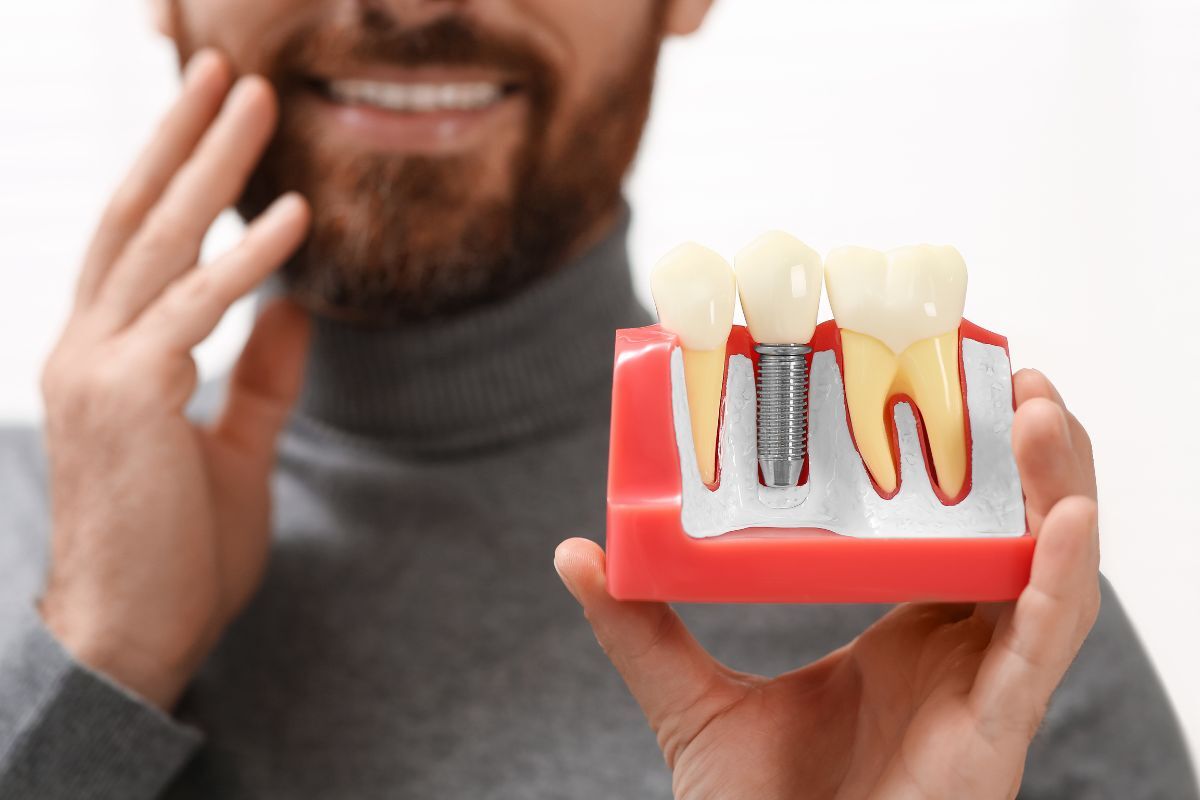
You’re at a favorite spot on Willamette Street, catching up with old friends over dinner, when it happens. You bite into something as simple as a dinner roll — and for a split second, you hesitate. Will it feel right? Will it stay put? For anyone who has lived with a loose denture or a bridge that never quite feels like “theirs,” that flicker of doubt is exhausting. It shows up at dinner, at work, even when you laugh.
Here’s the good news: that hesitation isn’t something you have to live with. Patients who choose implant restorations consistently describe the same thing — the moment it stops feeling like a dental device and starts feeling like part of them again. There’s a real, biological reason for that difference, and understanding it is the first step toward deciding what’s right for your smile.
The Problem With “Good Enough” Tooth Replacement
Traditional dentures and bridges were designed to fill a gap — literally. They sit on the gum line or lean on neighboring teeth for support. That approach can restore your smile in photos, but it doesn’t restore the way your bite actually functions. Many patients quietly adjust their diet, avoid certain foods, or cover their mouth when they laugh, without ever mentioning it to friends or family.
Why Dentures and Bridges Often Feel Artificial
Removable dentures rest on the gums and shift slightly with every bite, sip, and word. Bridges solve the gap but rely on grinding down healthy neighboring teeth for support, which can affect those teeth over time. Neither option replaces the part of a natural tooth that matters most for that “real” feeling: the root.
The Hidden Cost of Delaying Treatment
Once a tooth root is gone, the jawbone underneath begins to lose density because it no longer receives the stimulation a root once provided. This process, known as bone resorption, is gradual — but it’s also the reason dentures that fit well in year one can feel loose by year three. Waiting doesn’t preserve options; it tends to narrow them.
Why This Actually Matters for Your Long-Term Health
Chewing efficiently, speaking clearly, and smiling without a second thought aren’t small things — they shape how confidently you move through daily life in Eugene, from client meetings downtown to weekend hikes at Spencer Butte. Tooth replacement that anchors into the jawbone helps preserve bone structure, supports facial shape, and lets you eat the foods you actually enjoy instead of the foods your dental work can tolerate.
Did You Know?
Your jawbone needs regular stimulation from tooth roots to stay dense. An implant restoration is currently the only tooth replacement option that recreates that stimulation, which is why it’s often associated with more stable, longer-lasting results.
The Risks of Choosing the Wrong Replacement Option
Bone Loss and Facial Changes
Without root-level stimulation, the jaw can lose height and width over time. This is part of why some long-term denture wearers notice their lower face gradually appears more sunken.
Shifting Teeth and Bite Problems
A missing tooth leaves an opening that neighboring and opposing teeth tend to drift toward, which can quietly throw off your bite alignment and add strain to your jaw joint.
Ongoing Comfort and Maintenance Issues
Adhesives, relines, and repeated adjustments become part of daily life for many denture wearers — an ongoing cost in both time and comfort that implant restorations are specifically designed to avoid.
What Actually Makes Implant Restorations Feel Different
The difference comes down to one word: integration. A small titanium post is placed directly into the jawbone, where it fuses with living bone tissue over several months — a process called osseointegration. Once that fusion is complete, the restoration on top functions the way a natural tooth root always did: anchored, stable, and responsive to normal biting pressure. That’s the real reason implant restorations feel more natural than dentures or bridges — they’re not sitting on top of the gum, they’re integrated into it. Call us now to talk to our professionals!
See how the options compare side by side:
| Feature | Implant Restoration | Denture | Bridge |
| Anchored in jawbone | Yes | No | No |
| Preserves jawbone density | Yes | No | No |
| Feels like a natural tooth | Very close | Least similar | Moderate |
| Affects neighboring teeth | No | No | Yes (reshaped) |
| Typical longevity | Decades with care | 5–8 years | 10–15 years |
Still deciding between an implant and a traditional bridge? While the comparison above highlights the key differences, every patient’s situation is unique. Learn more in our guide, Dental Implants vs. Bridges: What Eugene Patients Should Know Before Choosing a Tooth Replacement, to understand the benefits, limitations, and long-term considerations of each option before making your decision.
Your Implant Restoration Journey at Dentistry at the Ten
Every mouth tells a different story, so treatment planning starts with a full picture of your oral health before any decisions are made. Here’s generally what that path looks like:
- Comprehensive evaluation We start with a full consultation, imaging, and a discussion of your goals — not just your gap.
- Guided placement: the titanium post is placed with precision, using imaging to protect nerves and existing bone structure.
- Healing and integration: over a few months, the post fuses with your jawbone — the phase that gives implant restorations their signature stability.
- Custom restoration: a custom crown, bridge, or denture is designed to match your bite, your smile line, and the shade of your natural teeth.
This process supports our Implant Restoration services and is tailored around your timeline, budget conversation, and comfort level at every step.
Trusted Care, Close to Home in Eugene
Treatment planning is only half the equation — who’s guiding you through it matters just as much.
Meet Dr. Molly Vendetti, DMD

Dr. Molly Vendetti leads the team at Dentistry at the Ten, located at 10 Coburg Road in Eugene. Her approach centers on getting to know each patient personally before recommending treatment, which is especially important for a decision as personal as tooth replacement. Patients frequently mention feeling genuinely heard during their consultations, rather than rushed toward a single option. Schedule a consultation with Dr. Vendetti to talk through your specific situation, timeline, and questions.
⭐⭐⭐⭐⭐ Dottie Kemp
Molly & friends are the best in the west! Exceptional dentistry. Gentle, pain free, and innovative dentistry, well informed, up to date techniques…and that isn’t easy, given research progress! Trustworthy. Kind, generous. Pleasant. Office spotless.
They make the best call possible with the info available and are open to consulting. Their referral doctors for extraction, implants, I have found to also deserve top ratings. Office easy to get to, large parking lot always has spaces. They do their best and their best is in top 1%.
Frequently Asked Questions
1. Do implant restorations really feel like natural teeth?
Yes, for most patients. Because the restoration is anchored directly into the jawbone rather than resting on the gums, it responds to biting pressure much like a natural tooth root does.
2. Are implant restorations painful?
Most patients describe the procedure as more comfortable than expected, with discomfort similar to a tooth extraction that improves within a few days.
3. How long does the full implant restoration process take?
Timelines vary by case, but the process typically spans a few months from placement to final restoration, allowing time for proper healing and integration with the jawbone.
4. Can I get implant restorations near me in Eugene without a referral?
In most cases, yes. A consultation at Dentistry at the Ten can determine your candidacy and recommend the most appropriate next steps without requiring an outside referral.
5. What’s the difference between an implant and an implant restoration?
The implant is the titanium post placed in the jawbone. An implant restoration is the completed tooth replacement, including the implant post and the custom crown, bridge, or denture attached to it.
6. Will an implant restoration affect my other teeth?
No. Unlike a traditional bridge, an implant restoration doesn’t require reshaping neighboring healthy teeth for support, helping preserve your natural tooth structure.
7. Am I too old for implant restorations?
Age alone rarely determines whether you’re a candidate. Your overall oral health, jawbone density, and medical history are more important factors and are evaluated during your consultation.
8. How do I care for an implant restoration long-term?
Implant restorations are cared for much like natural teeth. Daily brushing, flossing, and routine dental checkups are typically all that’s needed—there’s no need for special adhesives or overnight soaking like with traditional dentures.